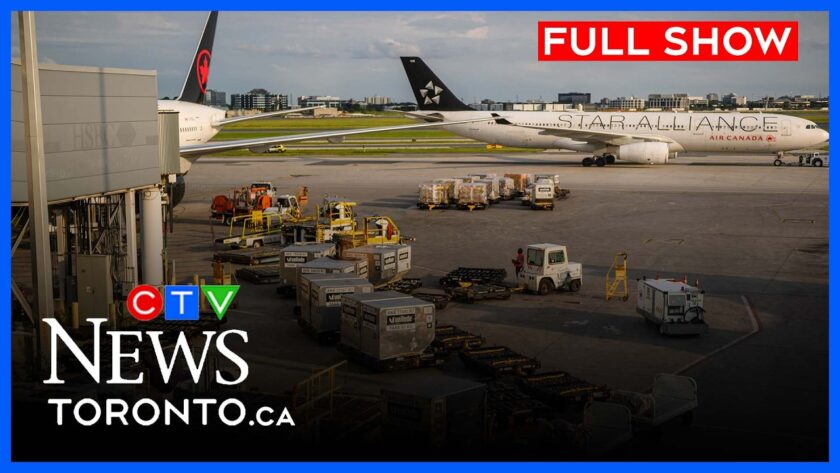
Understanding President Trump’s Proposed Tariffs on Canadian Goods
In a move that has sent ripples across trade circles, U.S. President Donald Trump has announced plans for a 50% tariff on select Canadian goods. This decisive action comes in retaliation for Canada’s restrictions on the sale of American alcohol, particularly impacting the dairy supply management system. The implications of these tariffs are significant and have the potential to destabilize an already fragile trade relationship between the two nations.
The Details of the Tariff Announcement
According to reliable sources from the White House, the tariffs are set to cover a range of products, including wine, cars, hockey sticks, and cement. These tariffs represent a direct response to existing Canadian tariffs, which were deemed by the U.S. as unfair trade practices. The thresholds under which these tariffs are categorized suggest a broader strategy aimed at correcting perceived trade imbalances.
However, it is important to note that these tariffs will not take effect for nearly a month, allowing both countries time to assess the ramifications and potentially negotiate terms. Observers are cautious, given that previous announcements of tariffs have sometimes resulted in more bluster than action. Nonetheless, the anticipation surrounding the implementation of these tariffs is palpable.
Political Reactions
The announcement has sparked varied reactions from lawmakers in the U.S. While some express disappointment and concern about the potential fallout, others view the tariffs as necessary measures against what they perceive as unfair competition. The political divide is evident, with dissenting voices, particularly from lawmakers who do not align with Trump’s administration, advocating for a more diplomatic approach to trade disputes.
In Canada, Prime Minister Justin Trudeau has issued a strong response. He characterized the tariffs as the latest in a series of unilateral U.S. trade actions that violate the Canada-United States-Mexico Agreement (CUSMA). Trudeau emphasized that these tariffs raise costs for American families and that Canada is committed to engaging the U.S. to resolve these issues amicably. His administration’s stance underscores its resolve to protect Canadian workers and businesses while fostering a mutually beneficial trading relationship.
Provincial Responses
Provincial leaders have not shied away from making their voices heard either. Ontario Premier Doug Ford expressed a firm commitment to defending his province’s interests, indicating that Canada should respond with equivalent tariffs if these new measures are enacted. His statements reflect a growing frustration among Canadian leaders regarding the inconsistency and unpredictability of U.S. trade policy.
Patrick Brown, the Mayor of Brampton, highlighted the economic ramifications of these trade tensions. He pointed specifically to the looming job losses tied to the Stellantis plant, linking them to the broader consequences of escalating tariffs and trade disputes. His call for “cooler heads” in the ongoing negotiations reflects a desire for pragmatic solutions over emotional responses.
The Bigger Picture
Critically, these proposed tariffs could undermine the economic interdependence that has characterized U.S.-Canada relations for decades. Trade agreements like CUSMA have historically served to reduce trade barriers and foster cooperation. However, Trump’s administration appears willing to bypass these established frameworks if deemed necessary.
As this situation continues to develop, the outlook remains uncertain. Experts question whether the tariffs will hold up legally in U.S. courts, introducing further instability. What remains clear, however, is that the assertive discourses from both sides reflect a deep-seated tension that could lead to long-term implications for cross-border trade.
Conclusion
The proposed 50% tariffs on Canadian goods signal a significant escalation in U.S.-Canada trade tensions. As businesses and policymakers brace for potential impacts, the need for dialogue and a return to cooperative trade practices becomes more pressing. In an age of increasing globalization, fostering healthy international relations is essential for economic prosperity on both sides of the border. The coming weeks will be critical in determining whether these tariffs will take effect and what subsequent actions may follow.